Learn more about the vision for the Community Hub, how to plug in, and the resources we’re building together in the Kern River Valley.
A Community Hub is a shared community-driven facility designed to support small businesses, nonprofits, and residents through shared workspaces, workforce training, event space, and resilience infrastructure. It’s a place to learn, connect, and grow together.
The Lake Isabella Community Hub will be a place for training programs, classes, and workshops. It will have shared office space for small businesses, local and regional nonprofits, remote workers, and students. We’ll have community event space, and we’re looking at adding elements like a shared commercial kitchen, artist studios, a community garden, and even video production spaces.
Most importantly, it’s about the impact we can have by working together in a shared space with common goals.
The project is led by Sierra Shared Spaces, a local nonprofit focused on creating shared spaces and partnerships that strengthen rural communities.
Sierra Shared Spaces was founded by Justin Powers, founder of Kernville Cowork - the first modern coworking space in East Kern County. Justin saw the impact that even a tiny shared space could have in a rural community such as ours, which led him down the path of envisioning an even larger space that could have generational impact. In addition to being a 7th generation resident of the Kern River Valley, Justin has worked for multiple tech startups and corporations and over the past several years has become more connected with the global coworking movement.
Creative Blueprint is our planning partner for the Lake Isabella Community Hub. Headed by Ashley Proctor, Creative Blueprint brings decades of international experience in building coworking spaces and community hubs, as well as a rich history of building and supporting communities of all sizes around the world. With in-person visits to nearly 1000 coworking spaces worldwide, they bring a wealth of knowledge and resources to the project.
The Community Hub will be located in Lake Isabella, California. We’re excited to announce that we’ve acquired the property where we’ll be building the Lake Isabella Community Hub! It’s a 2.9 acre lot located on the corner of Suhre St and Turner Ave. Not only is this centrally located location ideal for building a community hub, it’s also the location that so many in the community have been advocating for the Community Hub to be built on.
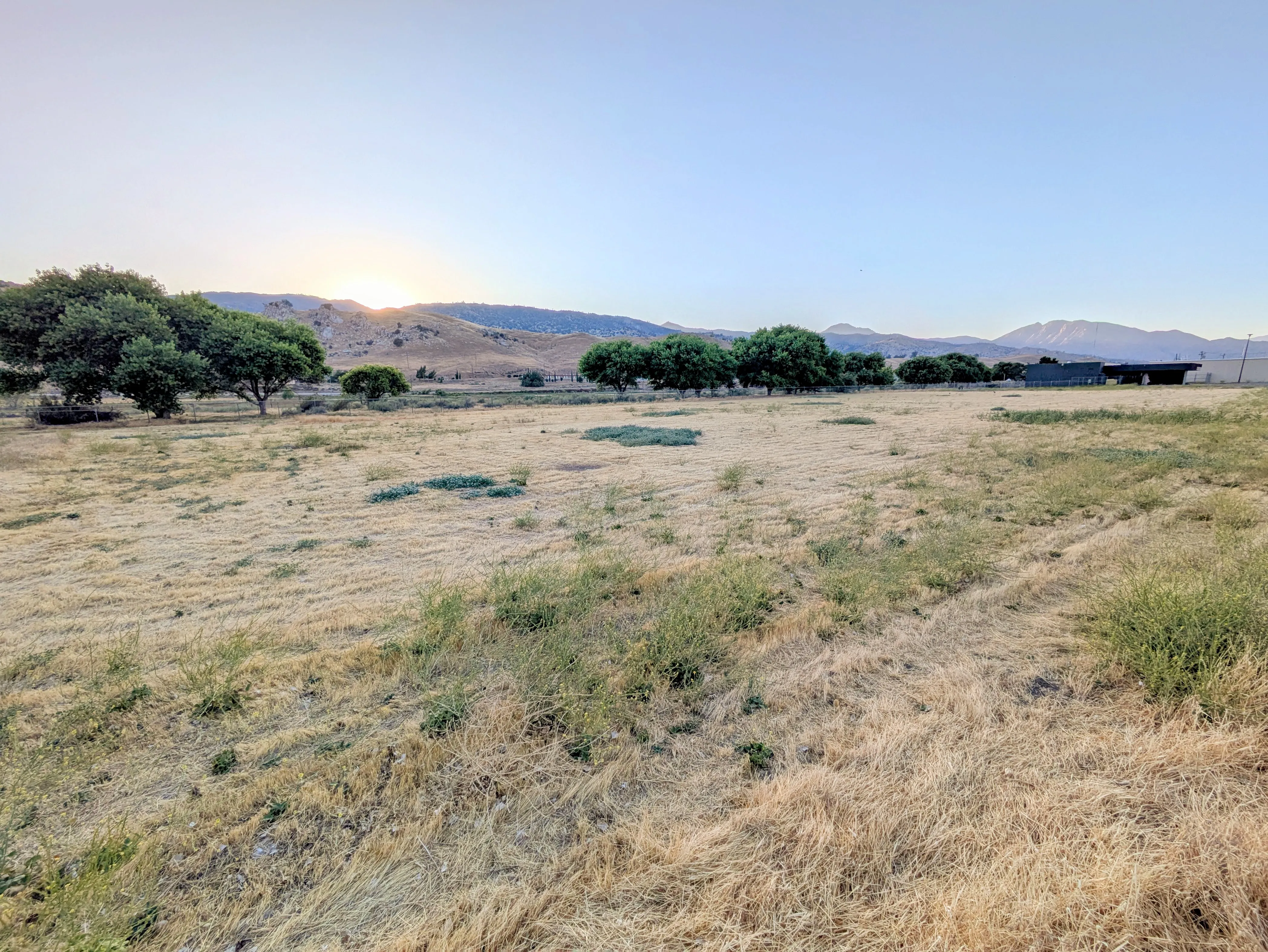
Out of everywhere in the Kern River Valley that could have been chosen, Lake Isabella was the clear choice. Not only is it the population center of valley, it’s also the place where there is the most need and the least historical investment. Investing in this part of our community will have an outsized impact on our residents - fostering economic and community growth in a sustainable, meaningful way.
The Community Hub is built to serve the needs of the community over time. This means that it will be flexible in responding to changing needs. As of now, these are the goals of the Lake Isabella Community Hub:
The Lake Isabella Community Hub will feature a large modern event space. It will have office space - including open coworking, shared offices, and long term leased space. It will have meeting rooms, training rooms, and classrooms. We’re intending to also include a shared commercial kitchen, artist studios, and a community garden.
The Lake Isabella Community Hub is built for the community. Local residents, entrepreneurs, students, nonprofits, and community groups will all be able to use the space for work, learning, collaboration, and events. Regional organizations that are looking for an opportunity to build a footprint in the Kern River Valley will also be a part of the Lake Isabella Community Hub.
The current project phase is pre-development, where we are focusing on building partnerships, planning and design. Construction will follow after this phase is completed.
Pre-development includes building out our partnerships, planning, architectural design, environmental studies, permitting, and fundraising — everything needed to make the project “shovel-ready.”
The development and construction of the Lake Isabella Community Hub will be funded through a mix of federal, state, and local grants and other funds. However, once the Community Hub is built it is designed to be financially sustainable - investing back into the community.
The Hub will generate revenue through anchor tenants, memberships, event rentals, and programming partners, ensuring long-term sustainability without relying solely on grants.
The Community Hub will support job creation through our anchor tenants, our small business and nonprofit supports, as well as through entrepreneurship support and career technical education. Jobs will span sectors like tourism, hospitality, healthcare, education, and digital skills.
The Community Hub will offer affordable office space, mentorship, training, and shared amenities like meeting rooms, 3D printers, and podcasting space. Most importantly, we are creating a space where different businesses and organizations that are working on different projects are working alongside each other. This creates opportunities for serendipity and collaboration that would be difficult to create otherwise.
Entrepreneurship is central to the goals of the Lake Isabella Community Hub. Much like Kernville Cowork has focused on building up and supporting entrepreneurs through shared space, programming, and peer groups, the Community Hub will help residents start and grow local businesses.
Yes. Through partnerships with educational and workforce development organizations, the Community Hub will host workforce development and certification programs that are tailored for the needs of the residents of the Kern River Valley.
Project partners include organizations from economic development, education, healthcare, workforce training, and outdoor recreation. Formal partnerships will be announced as the project develops. If your organization would like to partner with us on this project, please reach out at hello@sierrashared.space!
The Lake Isabella Community Hub project is community-led and designed for rural realities — addressing isolation, underinvestment, and access gaps through collaboration and shared infrastructure.
The Community Hub will host after-school programming, job training, and career pathway programs for high school students and young adults. We also recognize there is a great need for youth activities. If you would like to partner with us to build recreation opportunities for our youth, please reach out at hello@sierrashared.space!
Nonprofits will gain access to affordable office space, shared resources, collaboration opportunities, and professional development support. Most importantly, we are creating a space where different organizations that are working on different projects are working alongside each other. This creates opportunities for serendipity and collaboration that would be difficult to create otherwise.
According to the Urban Sustainability Directors Network, resilience hubs are community-serving facilities augmented to:
For the Kern River Valley, this means a community facility that can provide backup power, air filtration, and communication support during emergencies like wildfires or floods. The facility will be designed to serve during the response, relief, and recovery phases of disaster.
We will be working with key partners such as Kern County Office of Emergency Services, CERT, the Kern Fire Safe Council, and FEMA to find the best ways for the Community Hub to serve as emergency response infrastructure during and after disasters and community emergencies.
Yes. The Hub will include DC fast charging infrastructure, the first of its kind in the Kern River Valley.
Sierra Shared Spaces has already hosted a number of co-creation and co-design events with the community, and we will continue to invite the community to be a part of the process. It is important to us that we aren’t building a Community Hub FOR the community, instead we want to build it WITH the community.
Once the Community Hub is built, a Community Advisory Board will ensure that the operations and programming of the Community Hub continue to serve the needs of the community as they change.
It means the project was built from the ground up by residents, guided by local input rather than outside entities. This is important because even when outside organizations or governments have the best of intentions, they often don’t truly understand the community they’re trying to serve. Rural communities are complex and nuanced, each with their own challenges, strengths, weaknesses, and needs. The ones that are the best able to decide what needs to be built are the ones that are already in that community.
The Lake Isabella Community Hub is intended to be a pilot project. Sierra Shared Spaces intends to create a network of rural community hubs, each shaped by its local community and focused on resilience and shared prosperity.
There are a number of examples and models that we are drawing from when designing the model for the Lake Isabella Community Hub. Sierra Shared Spaces has partnered with Creative Blueprint for planning the Community Hub specifically because of their extensive experience in building models for community hubs across North America. Much of the model is inspired by 312 Main in Vancouver, Canada. We also draw inspiration from coworking and shared spaces in rural communities around the world.
The Lake Isabella Community Hub will host events and programming from a variety of organizations and individuals. Public events will range from workshops, art exhibits, and community meetings to training sessions, wellness programs, and youth events. The event space will also be available for private rentals such as weddings, reunions, and company offsites. Do you have ideas about the types of events we can host at the Community Hub? Reach out at hello@sierrashared.space!
Yes the meeting rooms, classrooms, and event space will be available to the greater community, including community groups, businesses, and individuals - regardless of whether or not they are a member of the Community Hub.
There are a few ways to get involved while we’re in the planning phase:
There will certainly be more volunteer opportunities as we get closer to the construction phase. Make sure you join the email list to stay informed!
Is your organization interested in partnering with us on this project? Reach out to us at hello@sierrashared.space! We’ve got more information on the different partnership options in our Community Hub Overview, but here are the partnership types that we’re focusing on right now:
We’ll be engaging with the different types of partners at different times throughout the planning, construction, and operational phases of the project. There’s a place for everyone!
We’re looking for nonprofits, schools, healthcare providers, small businesses, local agencies, and community based organizations that share our mission of community impact. Specifically, these are the partnership types that we’re focusing on:
Some organizations will fit into more than one partnership type.
Hofstadter’s law: It always takes longer than you expect, even when you take into account Hofstadter’s law.
We are anticipating that the pre-development phase will run through 2026. This phase will include partnership building, design, architecture, environmental review, permitting, and fundraising. By the end of this phase we’ll be shovel ready!
Community hubs serve a variety of needs. By creating a central gathering place that celebrates and encourages local creativity and collaboration, we’re building community and combatting the crisis of isolation and loneliness. By investing in a community that so rarely sees this kind of investment, we’re changing the perception of what we’re capable of as a community.
Email hello@sierrashared.space for updates, partnerships, or media inquiries.